
Tunnel Kiln & Tunnel Dryer Clay Brick Plant
50,000–220,000 Bricks Per Day Complete Plant Solution
A modern tunnel kiln clay brick plant is designed for continuous, fuel-efficient and high-quality brick production with controlled drying, firing, cooling and automation-ready handling.
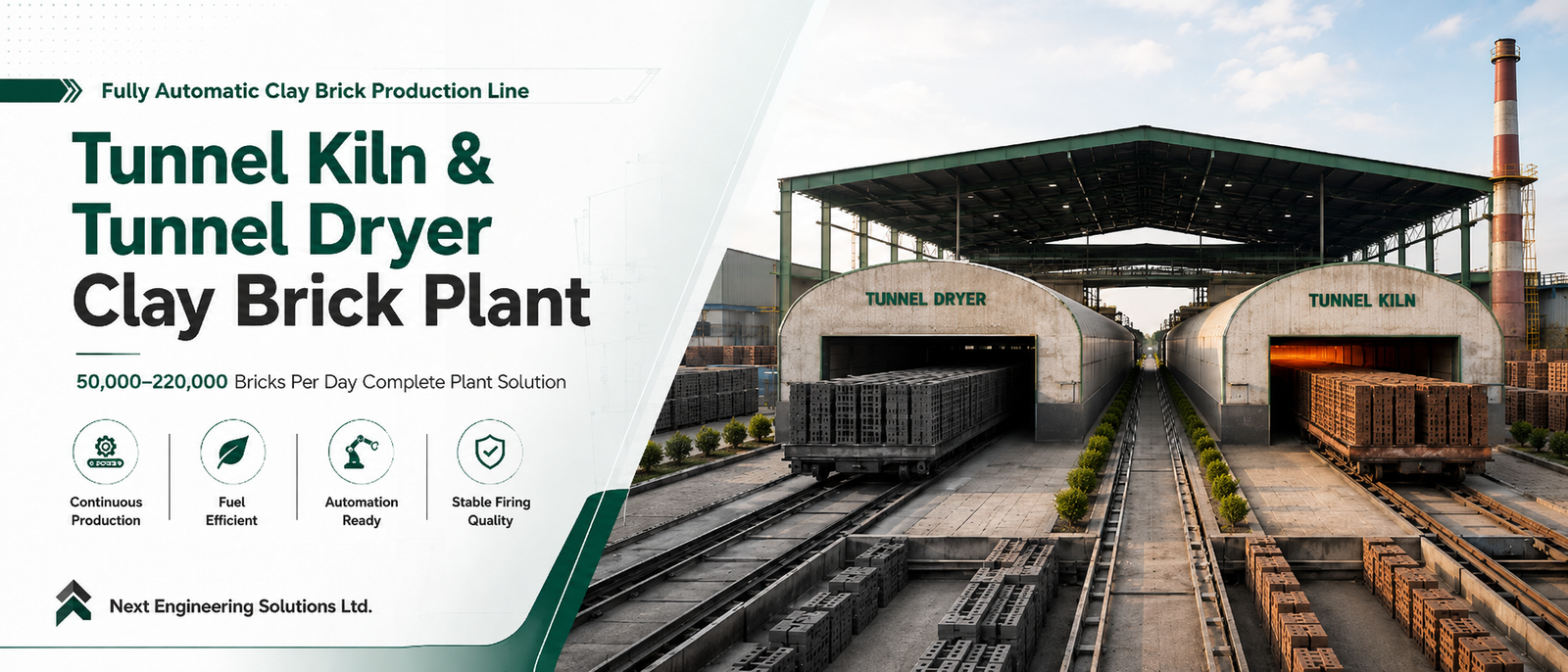
Continuous Drying, Firing & Cooling
Bricks move through controlled thermal zones while heat recovery supports efficient drying and stable production.
Advanced Tunnel Kiln Solution for Modern Brick Manufacturing
Next Engineering Solutions Ltd provides complete tunnel kiln and tunnel dryer clay brick plant solutions for investors who need continuous production, better fuel efficiency, stable brick quality and long-term industrial performance.
Plant capacity starts from 50,000 bricks per day and can be designed up to 200,000–220,000 bricks per day depending on brick size, clay condition, fuel type, land size, automation level and kiln cart loading design.
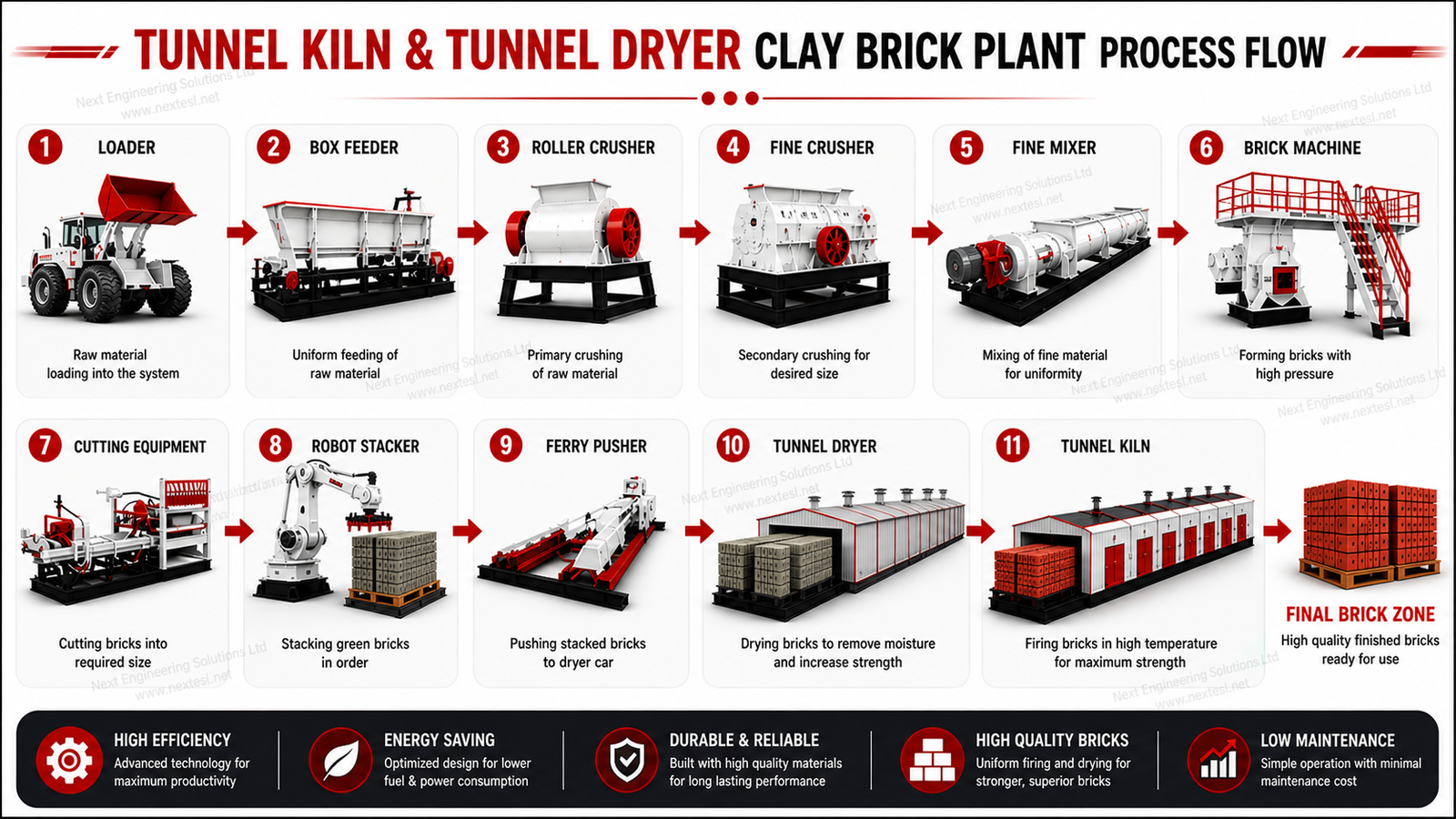
A complete tunnel kiln plant includes raw material preparation, crushing, mixing, aging, extrusion, automatic cutting, stacking, tunnel dryer, tunnel kiln, cooling, unloading and finished brick handling.
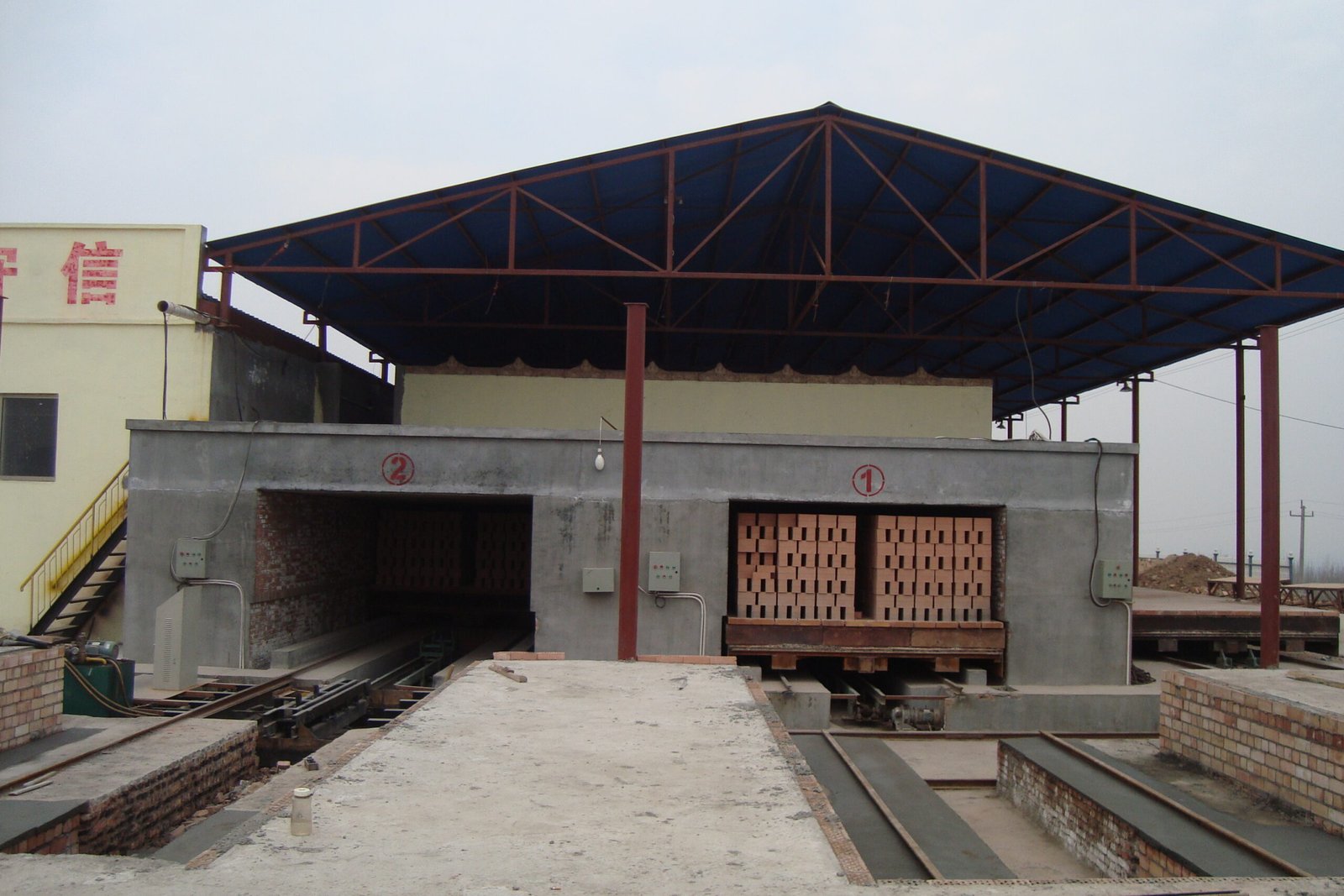
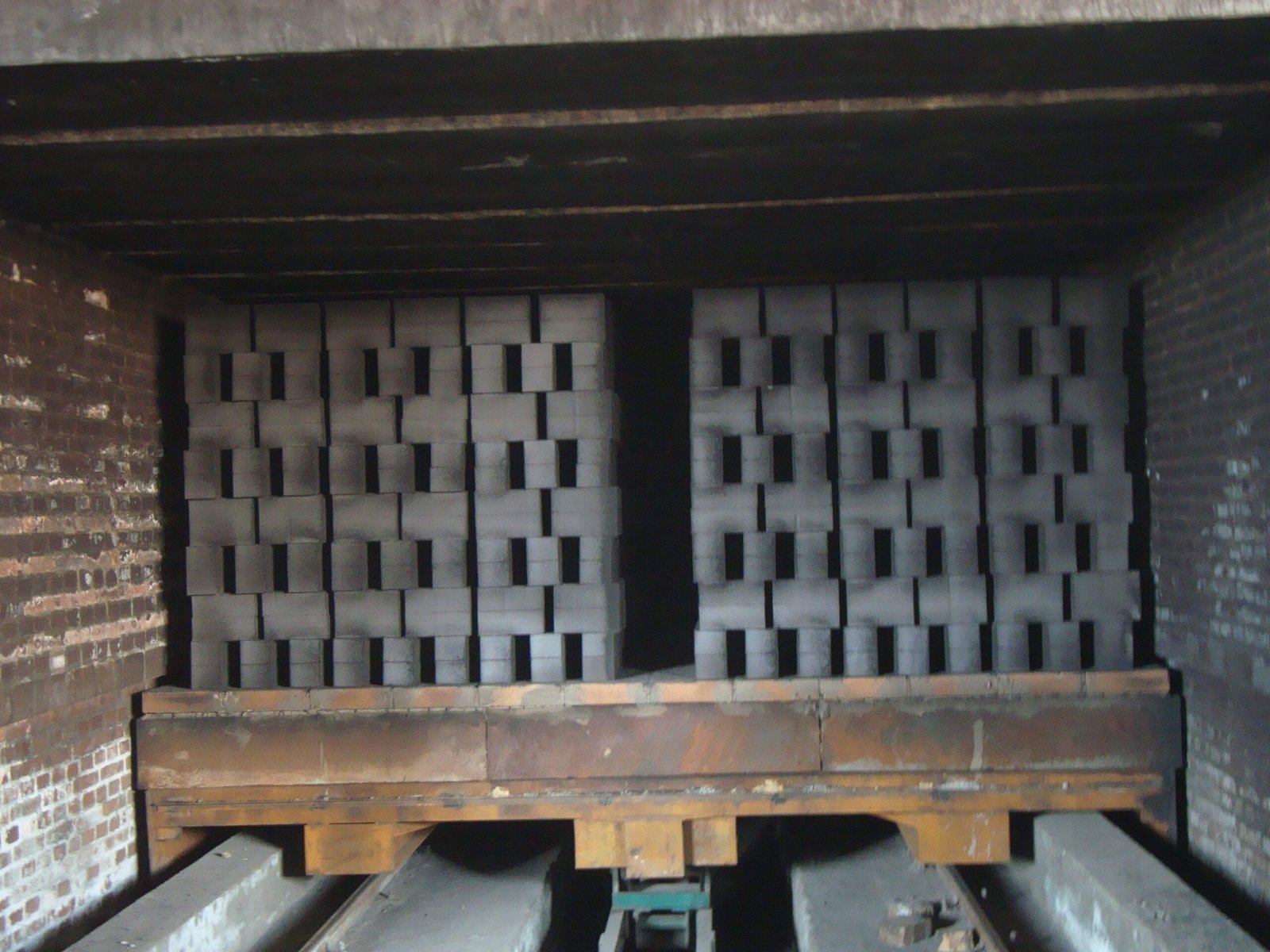
Continuous Production
Stable production flow from drying to firing and cooling.
High Thermal Efficiency
Recovered heat supports drying and reduces fuel waste.
Automation Ready
Suitable for cutting, stacking, cart transfer and unloading automation.
Scalable Capacity
From 50,000 to 220,000 bricks per day project range.
Tunnel Dryer & Tunnel Kiln Working Principle
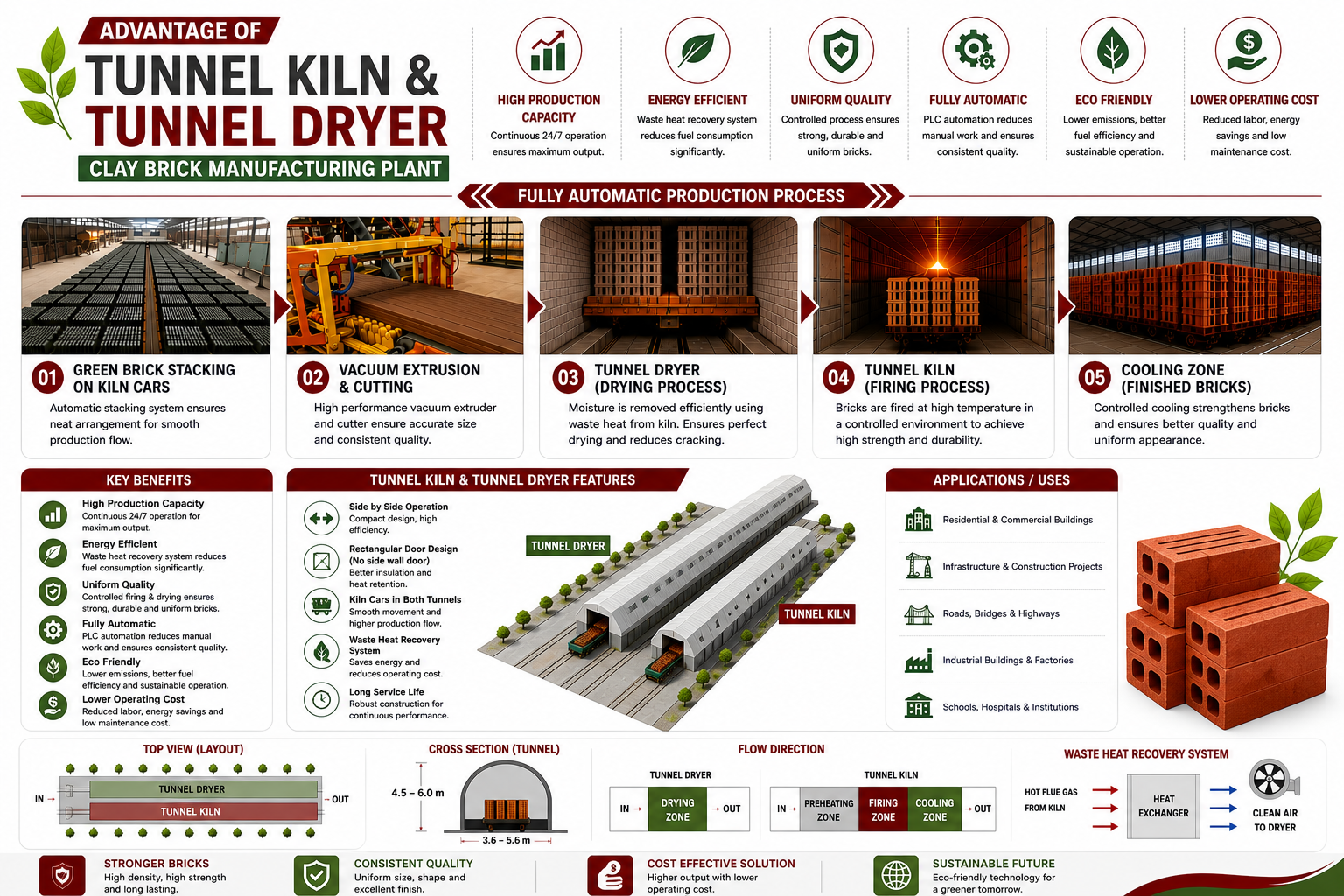
A tunnel kiln clay brick plant works through a continuous movement system where green bricks are loaded on dryer or kiln carts and move through drying, preheating, firing and cooling stages.
Tunnel Dryer System
The tunnel dryer removes moisture from green bricks before firing. Controlled hot air circulation gradually dries the bricks and reduces cracking or deformation.
- Green brick strength
- Drying quality
- Production stability
- Fuel efficiency
Tunnel Kiln System
After drying, bricks enter the tunnel kiln and pass through preheating, firing and cooling zones. Controlled firing improves strength, shape, color and quality stability.
- Preheating zone
- Firing zone
- Cooling zone
- Heat recovery
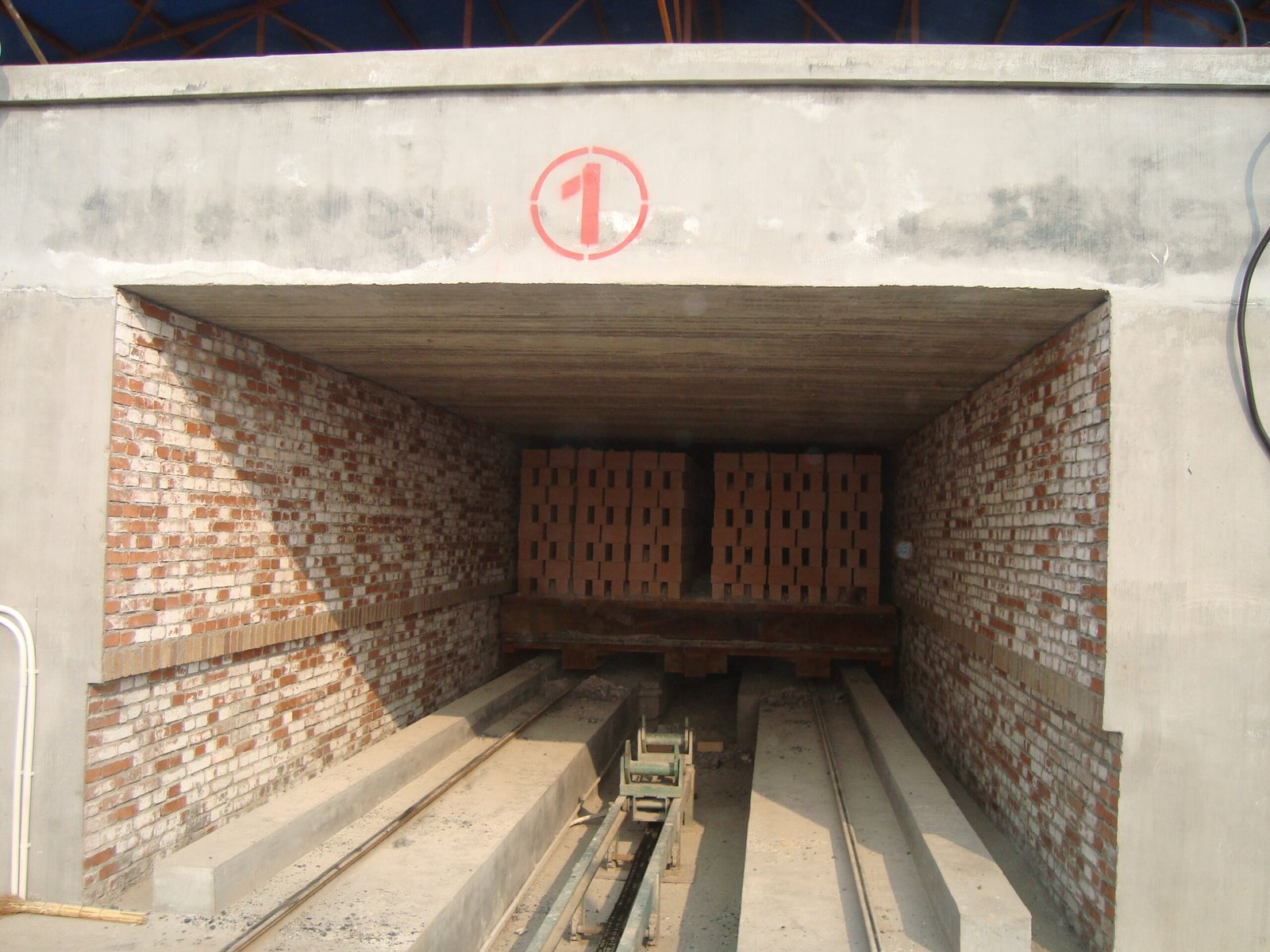
Key Benefits of Tunnel Kiln & Tunnel Dryer Plant
Suitable for modern brick manufacturers who need stable output, better drying control and industrial-scale production.
Continuous Production
Planned flow from green brick entry to finished brick output.
Better Drying Control
Controlled hot air circulation reduces cracking and deformation.
Uniform Firing Quality
Temperature zones help produce stronger and more uniform bricks.
Fuel Efficiency
Heat from the cooling zone can be reused in the dryer.
Automation Suitable
Supports cutting, stacking, kiln cart handling and unloading systems.
Cleaner Layout
Improves production flow, factory organization and safety.
Scalable Capacity
Capacity options from 50,000 to 220,000 bricks per day.
Industrial Value
Suitable for long-term professional brick manufacturing.
Fully Automatic Tunnel Kiln & Tunnel Dryer Process Flow
Complete production process from raw clay preparation to finished brick unloading.
Raw Material Preparation
Clay, soil or shale is prepared according to required brick quality and firing behavior.
Crushing, Mixing & Aging
Raw material is crushed, mixed and aged to improve plasticity and consistency.
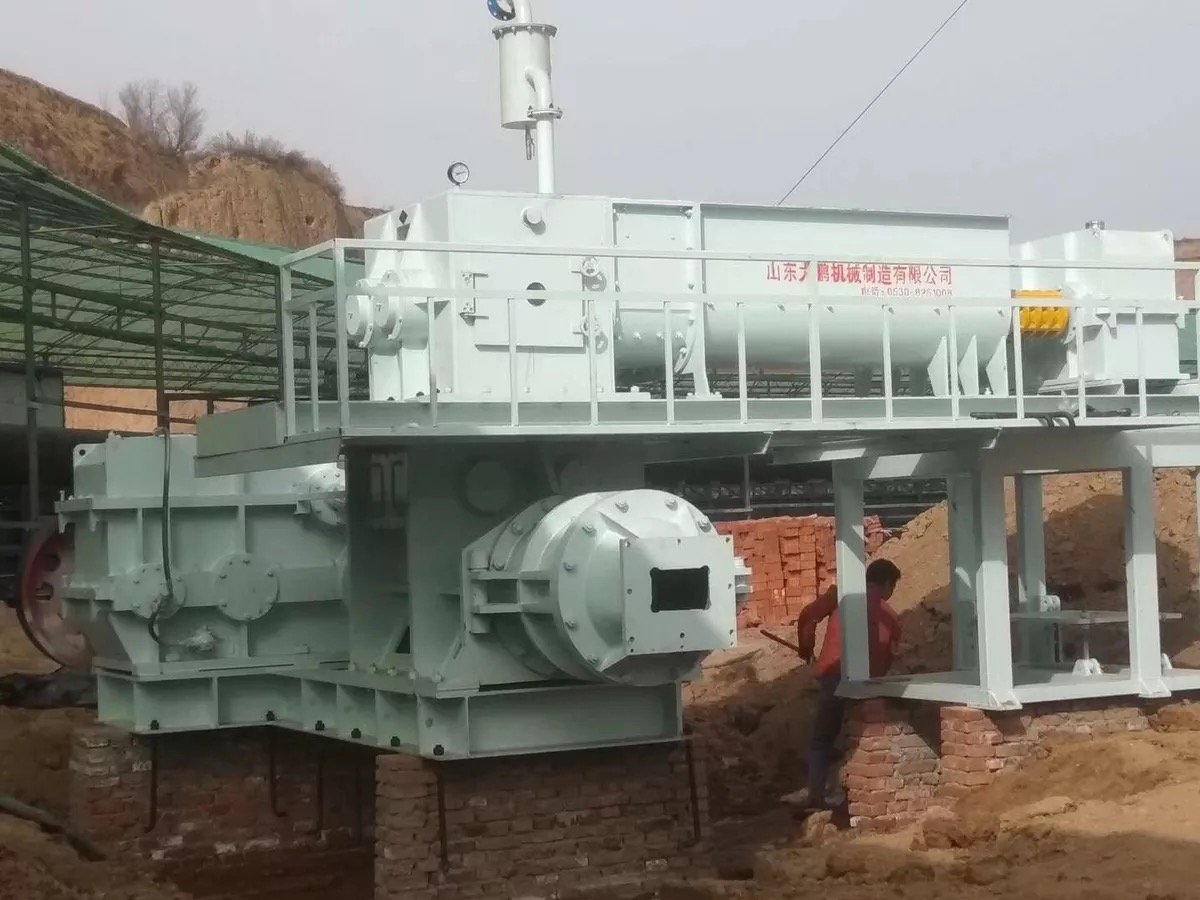
Mixing & Extrusion
Fine mixer and vacuum extruder form a compact and uniform clay column.
Cutting & Stacking
Automatic cutter and stacker prepare green bricks for dryer and kiln carts.
Tunnel Dryer
Controlled hot air removes moisture before bricks enter the kiln.
Tunnel Kiln
Bricks are fired through preheating, firing and cooling zones.
Cooling Zone
Controlled cooling reduces thermal shock and improves final stability.
Finished Bricks
Bricks are unloaded, sorted, stored and prepared for delivery.
50,000–220,000 Bricks Per Day Turnkey Solution
Plant capacity can be selected based on target market, land, budget, raw material condition and expansion plan.
| Production Capacity | Kiln & Dryer Configuration | Plant System | Suitable For |
|---|---|---|---|
| 50,000–70,000 bricks/day | 3.7m × 118m Tunnel Kiln + 3.7m × 118m Tunnel Dryer | 1 Kiln + 1 Dryer | Small to medium automatic brick plant |
| 100,000–110,000 bricks/day | 4.5m × 140m Tunnel Kiln + 4.5m × 140m Tunnel Dryer | 1 Kiln + 1 Dryer | Medium-large industrial brick plant |
| 130,000–140,000 bricks/day | 3.7m × 118m Tunnel Kiln + 3.7m × 118m Tunnel Dryer | 2 Kilns + 2 Dryers | Modular high-capacity production |
| 200,000–220,000 bricks/day | 4.6m × 140m Tunnel Kiln + 4.6m × 140m Tunnel Dryer | 2 Kilns + 2 Dryers | Large-scale industrial brick production |
Recommended Tunnel Kiln Plant Configurations
Select the right system according to target production, land, fuel option, automation and investment plan.
50,000–70,000 Bricks/Day
Practical starting solution for investors entering automatic clay brick production with controlled investment.
Recommended For: New investors and regional brick suppliers.
100,000–110,000 Bricks/Day
Higher production from one wider and longer tunnel kiln and dryer line with simpler operation.
Recommended For: Established investors and medium-large projects.
130,000–140,000 Bricks/Day
Modular high-capacity solution using two 3.7m × 118m tunnel kilns and two dryers.
Recommended For: Expansion projects and high-capacity regional suppliers.
200,000–220,000 Bricks/Day
Large-scale industrial solution for high-volume brick manufacturers and major suppliers.
Recommended For: Industrial groups and large construction material suppliers.
How to Select the Right Tunnel Kiln Plant Capacity
Final plant design should be based on technical and commercial factors, not only daily production target.
Brick Size
Larger bricks reduce total piece count; smaller bricks increase output quantity.
Raw Material Condition
Clay plasticity, moisture, shrinkage and firing behavior must be tested.
Drying Performance
Dryer design is critical for reducing cracks, deformation and rejection.
Kiln Cart Loading
Brick loading quantity on kiln carts directly affects daily output.
Firing Cycle
Different clay and fuel types require different firing curves.
Automation Level
Cutting, stacking, loading and unloading automation improves efficiency.
Fuel Type
Coal, gas, biomass or mixed fuel systems affect kiln design.
Working Hours
Stable operation is required to achieve target daily capacity.
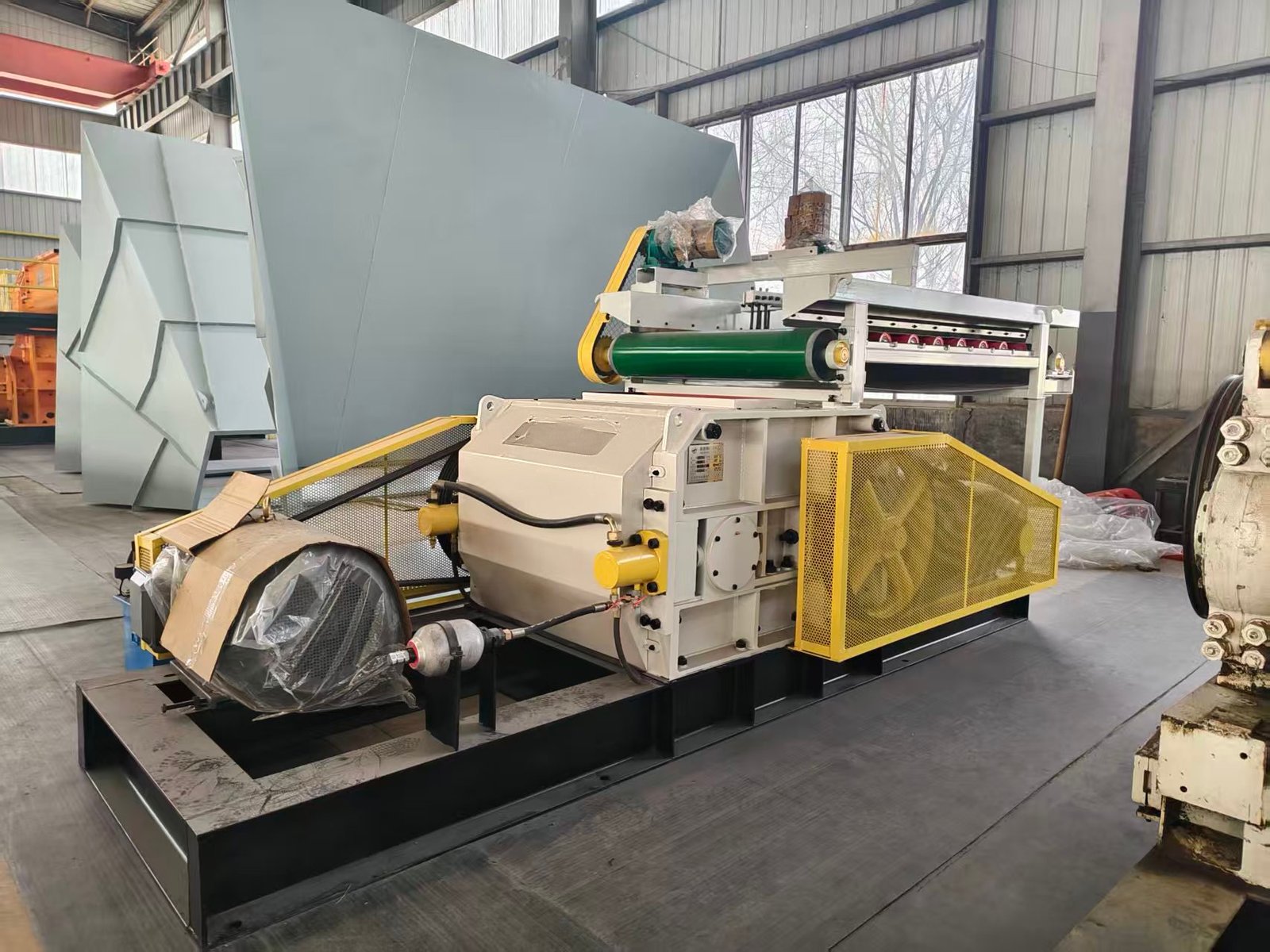
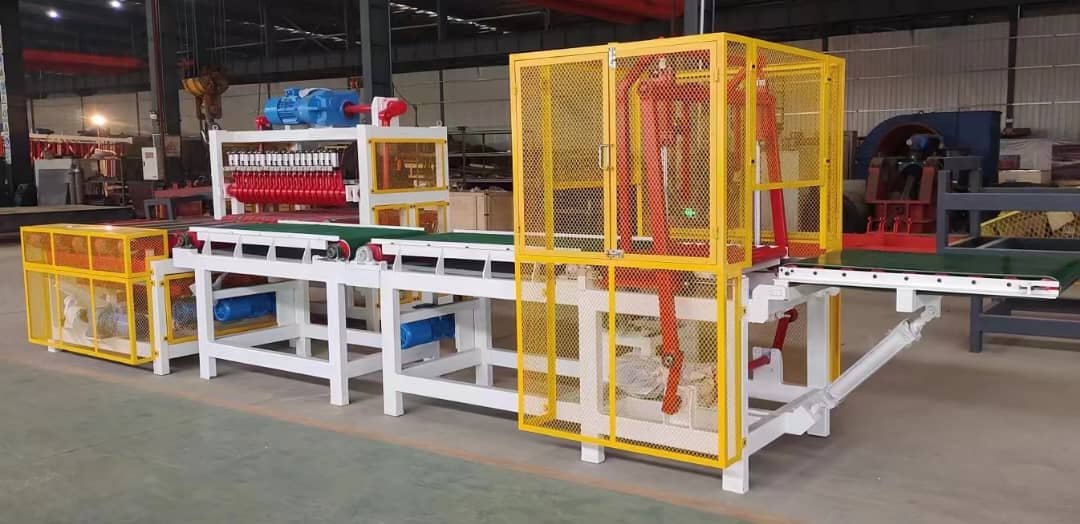
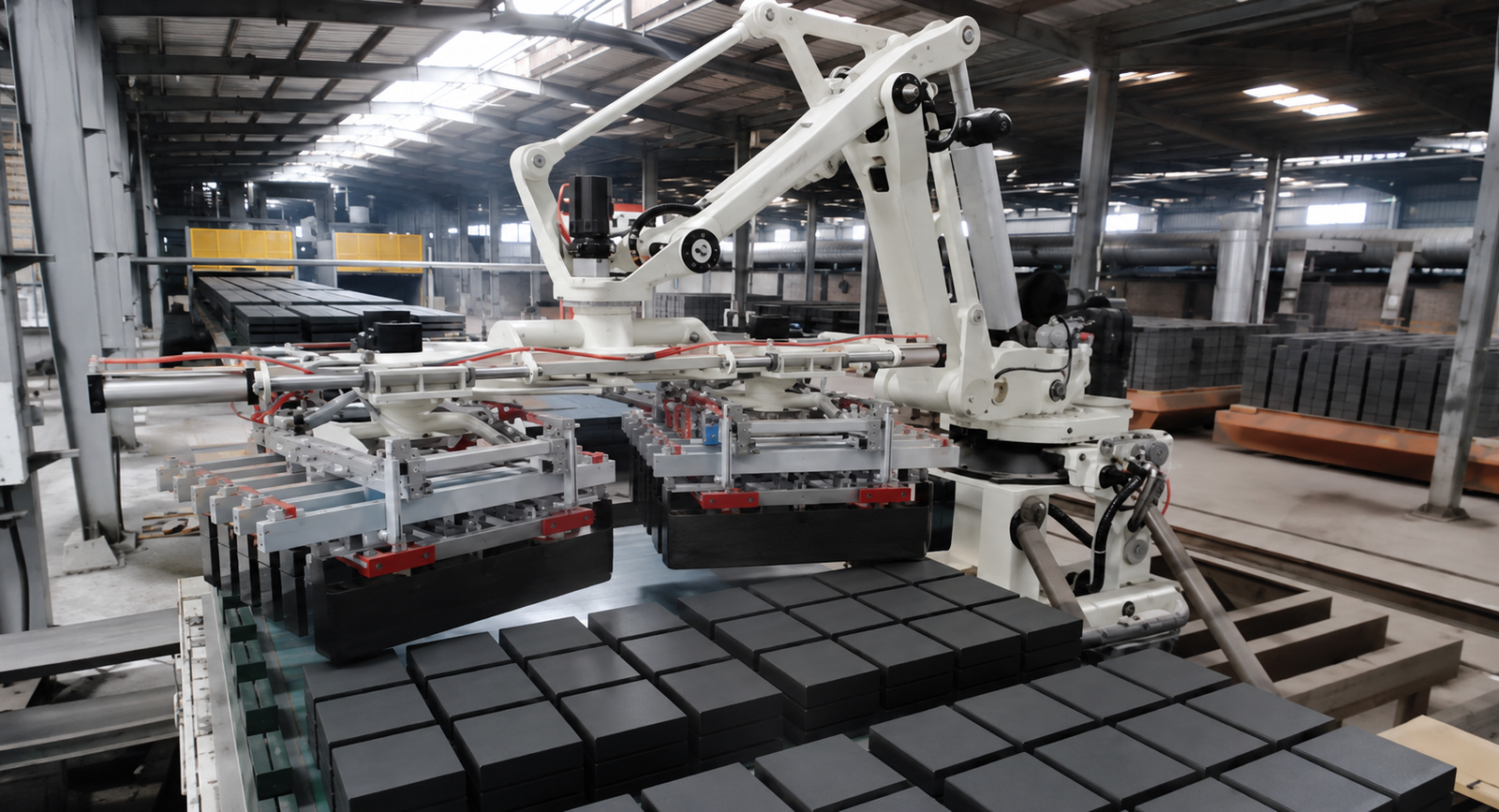
Main Machinery Used in Tunnel Kiln Brick Plant
The final machinery list depends on raw material condition, production capacity, required automation level, product type and investment budget.
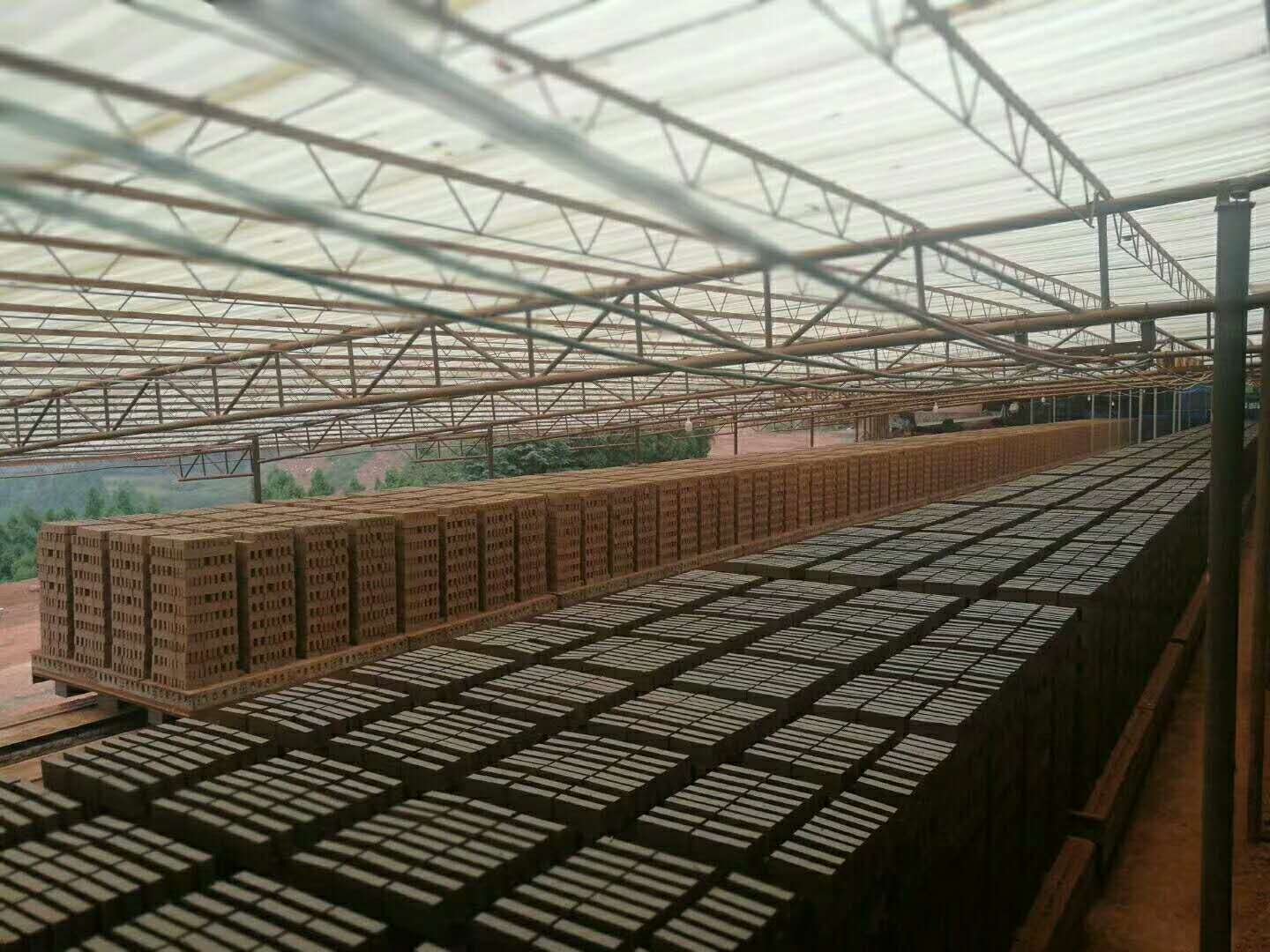
Tunnel Kiln Plant Photo Gallery
Project images showing tunnel kiln structure, production line, kiln cart loading, brick drying and finished brick handling.
Tunnel Kiln & Dryer Structure
Continuous brick firing system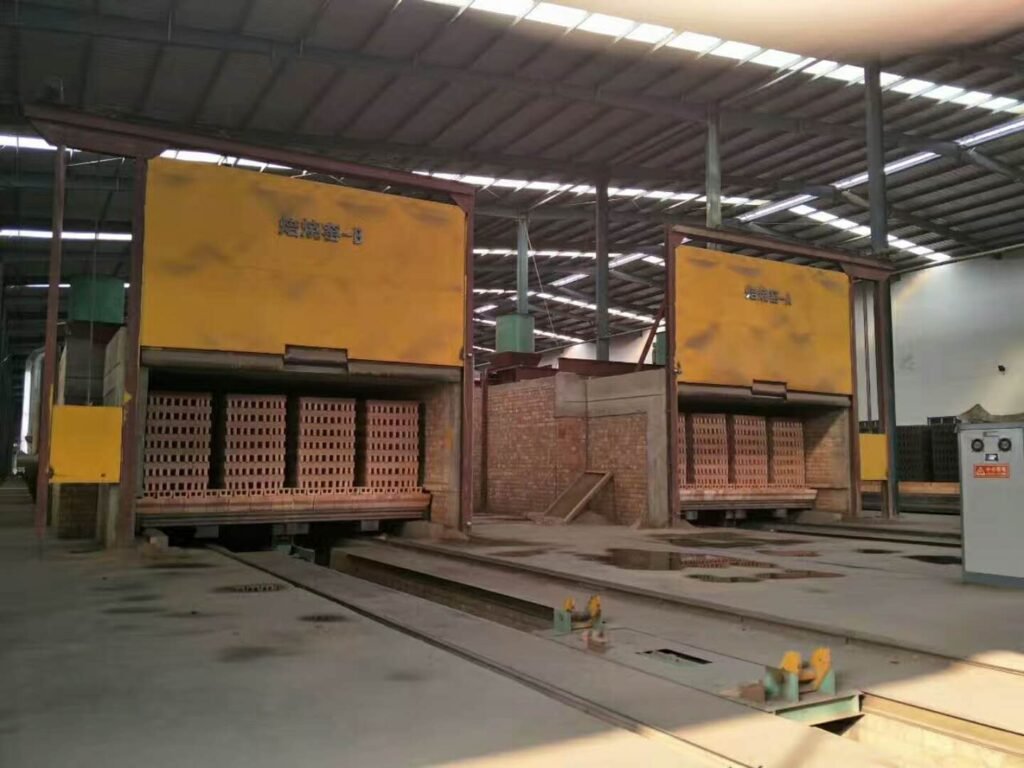
Industrial Tunnel Kiln Plant
Large-scale clay brick project
Firing & Handling Area
Stable thermal operation
Green Brick Production Line
Automatic forming and transport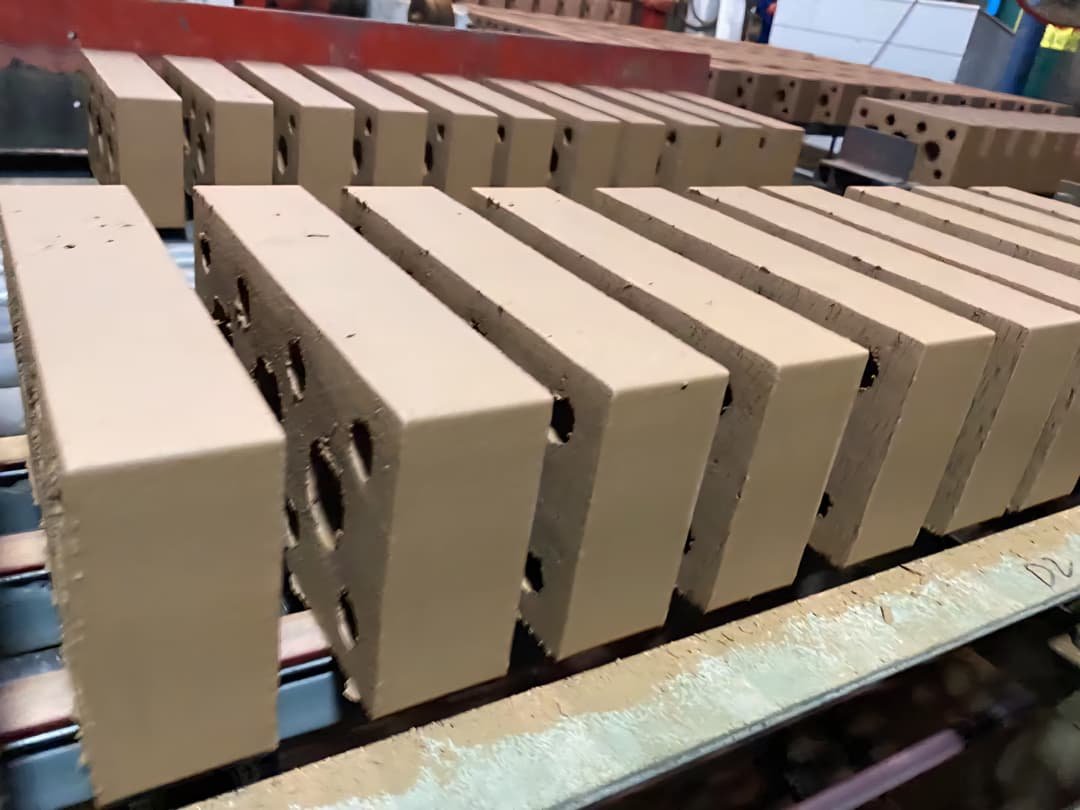
Fresh Clay Bricks
Vacuum extruded brick output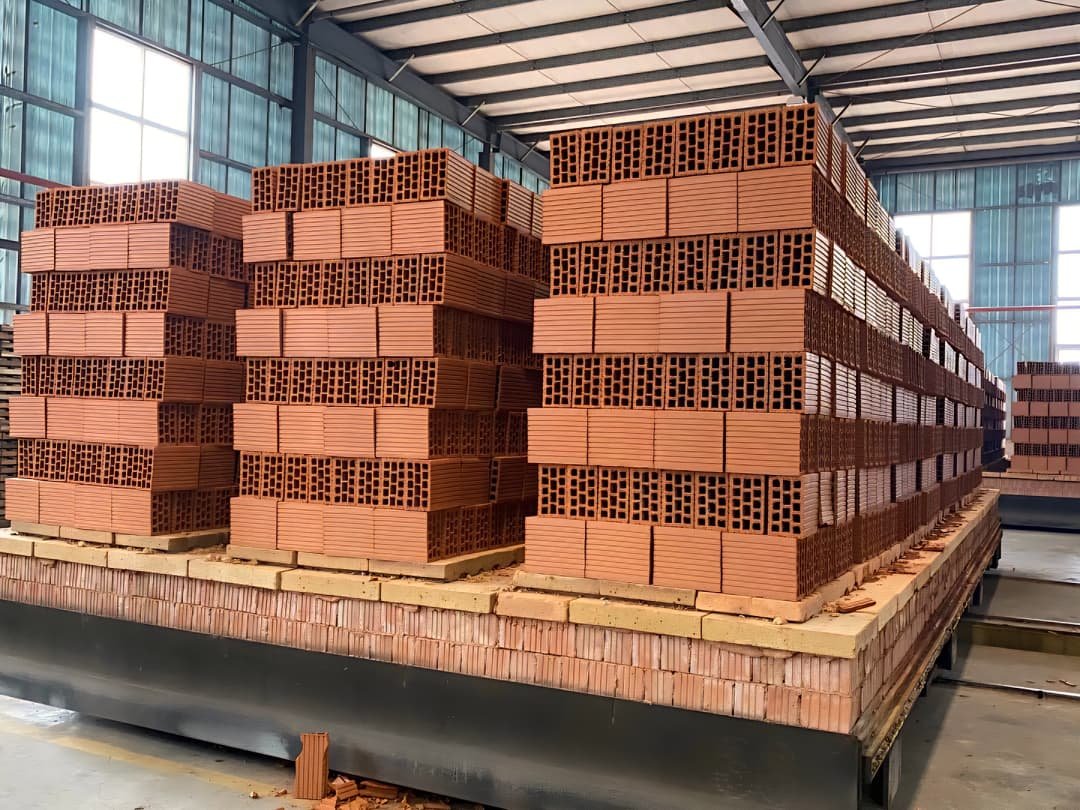
Kiln Cart Loading
Prepared for drying and firing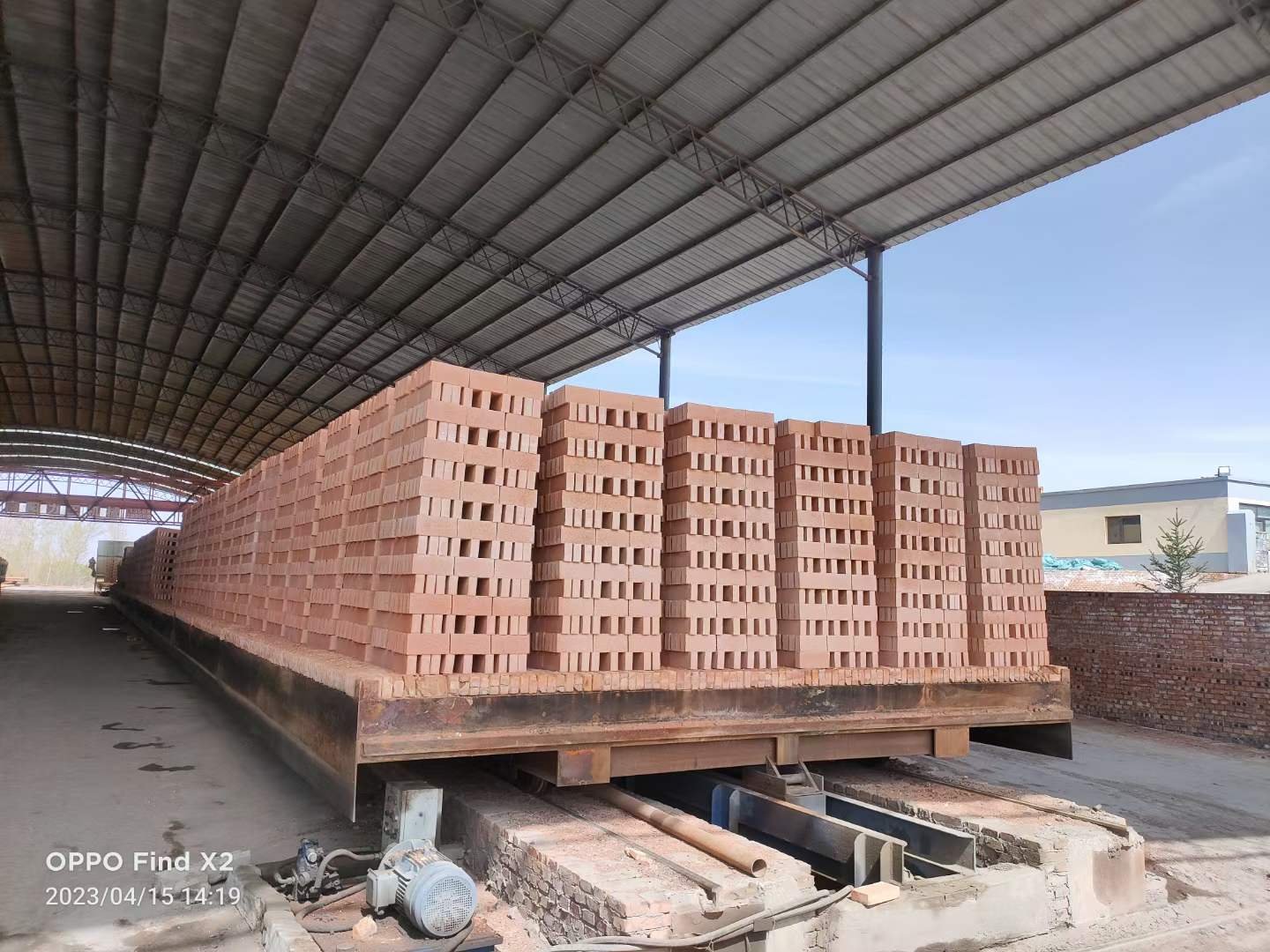
Finished Fired Bricks
Uniform color and quality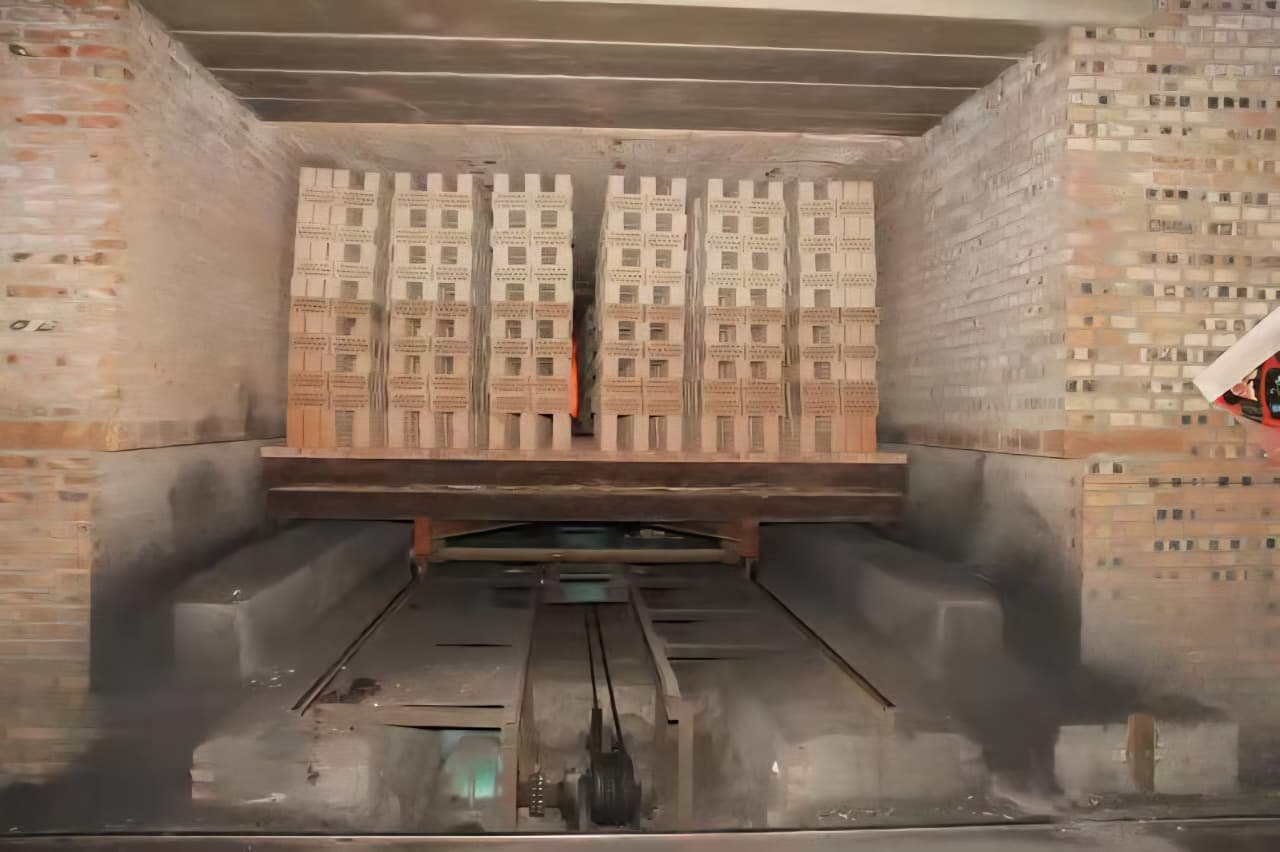
Internal Brick Stacking
Organized kiln cart setting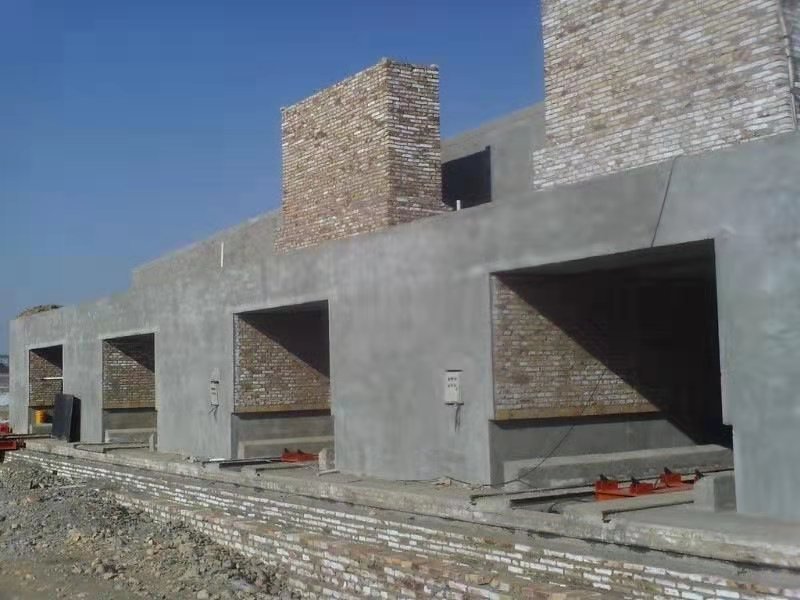
Tunnel Kiln Project Site
Complete drying and firing solutionFinal Capacity Must Be Confirmed by Project Engineering
The above capacity ranges are standard reference values. Final production capacity must be calculated after reviewing actual project details, raw material condition, target product and investor requirements.
- Brick size
- Clay test report
- Moisture percentage
- Drying shrinkage
- Firing shrinkage
- Fuel type
- Land size
- Factory layout
- Automation level
- Daily working hours
- Local climate condition
- Power availability
- Kiln cart loading design
- Investment budget
Information Required for Tunnel Kiln Plant Quotation
Please provide these details so NES can prepare a suitable tunnel kiln and tunnel dryer plant proposal.
Complete Clay Brick Plant Engineering Support
Next Engineering Solutions Ltd works with international engineering partners to provide complete clay brick plant solutions, including machinery selection, kiln and dryer design, plant layout, installation guidance, commissioning support and after-sales service.
We help investors choose the right production system according to local raw material, market demand, land size, fuel availability and investment plan.
Our Scope of Support
- Project feasibility discussion
- Capacity selection
- Plant layout planning
- Machinery selection
- Tunnel kiln and dryer engineering
- Automation system planning
- Installation and commissioning support
- Technical guidance and after-sales coordination
Tunnel Kiln Plant Frequently Asked Questions
Common investor questions about capacity, configuration, expansion and drying system importance.
What is the minimum capacity for a tunnel kiln brick plant?
The practical starting capacity is usually 50,000–70,000 bricks per day using one 3.7m × 118m tunnel kiln and one 3.7m × 118m tunnel dryer.
Which tunnel kiln plant is suitable for 100,000 bricks per day?
For around 100,000–110,000 bricks per day, one 4.5m × 140m tunnel kiln and one 4.5m × 140m tunnel dryer is recommended.
Can I start with one kiln and expand later?
Yes. A modular design can allow future expansion if land and layout are planned properly from the beginning.
Which is better: one large kiln or two smaller kilns?
One large kiln simplifies operation, while two smaller lines provide flexibility. The best option depends on land, budget and market demand.
What capacity is suitable for a large industrial brick plant?
For large-scale production, 200,000–220,000 bricks per day can be achieved with two 4.6m × 140m tunnel kilns and two tunnel dryers.
Why is tunnel dryer important?
Tunnel dryer removes moisture from green bricks before firing. Proper drying reduces cracks, deformation and firing rejection.